Worship Unplugged Worship: Understanding the Vital Importance in Contemporary Church Services


Content By-Mcintyre Hester
Within today's fast-paced society, many people discover themselves looking for a sense of connection and purpose. A contemporary church service can offer precisely that, delivering an uplifting experience that reaches the heart and ignites the spirit. Whether you are new to faith or coming back to your roots, understanding what to expect at a church service can help ease any concerns and unlock the path to a transformative journey.
From engaging worship to thought-provoking messages, a Sunday church service serves as a crucial touchstone for numerous individuals and families alike. For new visitors, it’s an opening to discover spiritual growth in a communal setting. As you take part in worship, prayer, and fellowship, the feeling of belonging can be deep, offering not only solace during difficult times but also a chance to build lasting friendships. In this overview, we will explore the key elements of modern church services and how they serve a pivotal role in nurturing faith and community.
The Development of Worship Practices
Worship methods have evolved significantly over the centuries, reflecting modifications in society, advancements, and religious insights. In the primitive church, worship was characterized by simple gatherings dedicated to spiritual communication, scripture reading, and communal meals. As Christianity spread, liturgical elements became increasingly structured, and various styles emerged within various denominations. This evolution was guided not only by the context of history but also by the intention to make worship attainable and meaningful to diverse congregations.
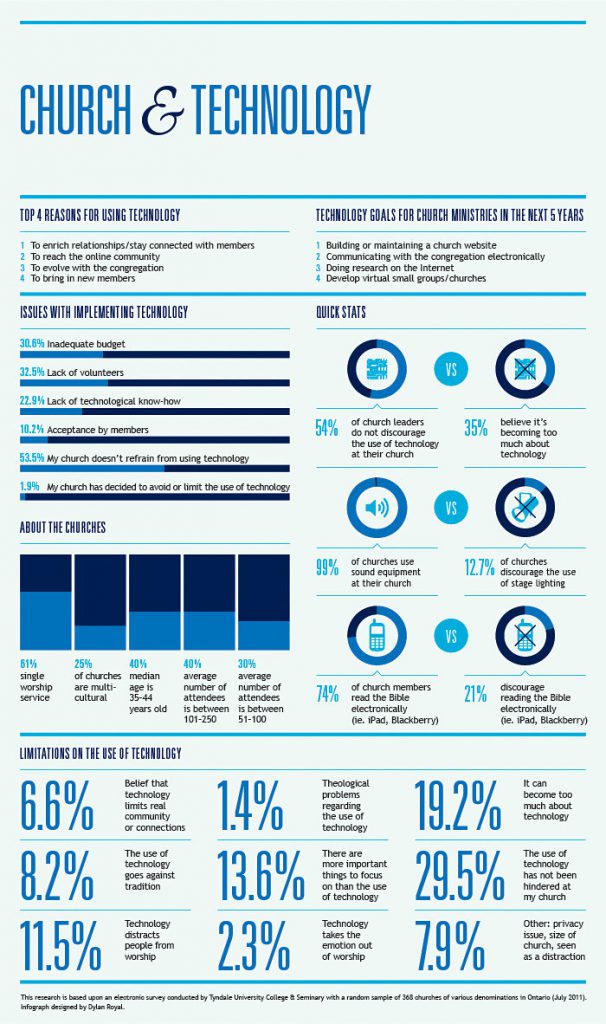
In recent decades, there has been a marked shift towards contemporary worship in many churches. This approach highlights a more relaxed atmosphere, often integrating current tunes, digital media, and engaging features that appeal to younger generations. The use of tech innovations, such as screen displays and digital communication, boosts engagement and allows for a richer worship experience. https://postheaven.net/sarina642anjanette/what-to-anticipate-when-checking-out-a-spirit-filled-church-for-the-first-time focus on creating an inviting atmosphere that encourages connection and engagement, making it easier for guests to feel included.
As worship styles continue to adapt, the blending of conventional and current elements often results in unique expressions of faith. Candle services, for instance, maintain the comfort and intimacy of traditional ceremonies while blending contemporary worship styles. This combination allows churches to honor their heritage while staying relevant in the modern, rapid-paced world. Ultimately, the development of worship practices reflects a active faith community, committed to nurturing spiritual growth and connection among its participants.
Including The Community in Modern Worship
A vibrant congregation is at the center of modern worship experiences, transforming classic church meetings into interactive experiences. In current church services, such as those found in non-denominational or current settings, the emphasis on building relationships among members is essential. This focus creates an friendly atmosphere where people feel linked, both to one another and to God. Group activities, small groups, and community outreach programs often accompany services, allowing members to cultivate deeper relationships and assist one another throughout the time.
Incorporating community into worship services goes past mere fellowship; it actively affects the way services are planned. Quick transitions between praise, sermon, and community interaction create a pace that keeps people focused. Modern services often offer opportunities for participants to share their experiences, petitions, and even praises, making each worship a collective experience. This not only enhances the spiritual richness but also affirms the dynamic and dynamic nature of current church worship gatherings.
Additionally, community participation in worship can significantly enrich family-focused dynamics within the church. https://www.theguardian.com/australia-news/2021/jun/21/pm-scott-morrison-defends-g7-family-history-side-trips-as-stop-offs designed for kids and youth ministries encourage participation from all demographics, facilitating cross-generational connections. By presenting opportunities for households to serve together while also meeting their specific needs, churches become places where faith is nurtured collectively. In this context, faith practice becomes not just a personal journey but a communal journey that bolsters the community's faith and overall church life.
Influence of Adoration on Different Age Groups
Adoration in a church service plays a distinct role across multiple generational segments, shaping their faith journeys and interaction with belief. For children, a vibrant and interactive youth program can turn praise feel like a joyful gathering. Melodies, stories, and interactive activities assist them grasp biblical truths in a way that is accessible and fun, fostering a community spirit within the church community. When kids sense included in and passionate about worship, it builds a strong groundwork for their spiritual growth as they develop.
Adolescents encounter praise in distinct manners, seeking authenticity and connection in their religious experiences. Teen ministry usually customizes praise activities that speak with their struggles and aspirations. Engaging songs, pertinent teachings, and settings for peer interaction enable teens to express their faith in a way that is authentic. As they deal with the puzzles of adolescence, the nurture and community found in worship can bring to personal development and a richer grasp of their faith.
Grown-ups often view worship as a fountain of renewal and guidance. The communal experience of hymns, prayer, and preaching during church services enhances their faith and motivates them to face the challenges of life with faith. Many grown-ups experience a profound mission when they participate in worship, especially in a modern setting that mirrors their background. This connection not only improves their religious experience but also cultivates cross-generational bonds as they worship alongside families and younger generations.